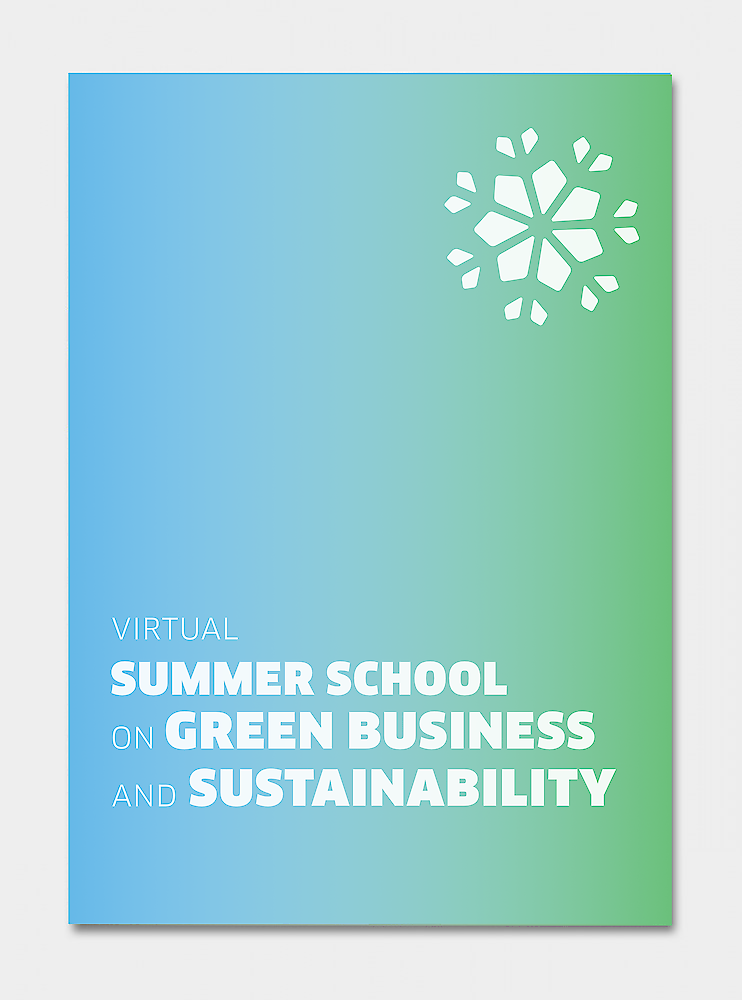
Design for Sustainability & Circularity
Teaching and research in the field of Design for Sustainability & Circularity takes place at Folkwang University of the Arts, the University of Wuppertal, the ecosign Academy Cologne, and the Wuppertal Institute, among others.
In the summer semester course, students learn a variety of methods for approaching the complex systemic interrelationships of sustainability issues. At the core of research and teaching is the question of how to shape a transition toward a sustainable future for society. This requires sustainable products and services. "Design for Sustainability," "Design for Social Change," "Design for Circularity," and "Transition Design" are central concepts in this field of research and teaching.
Personen
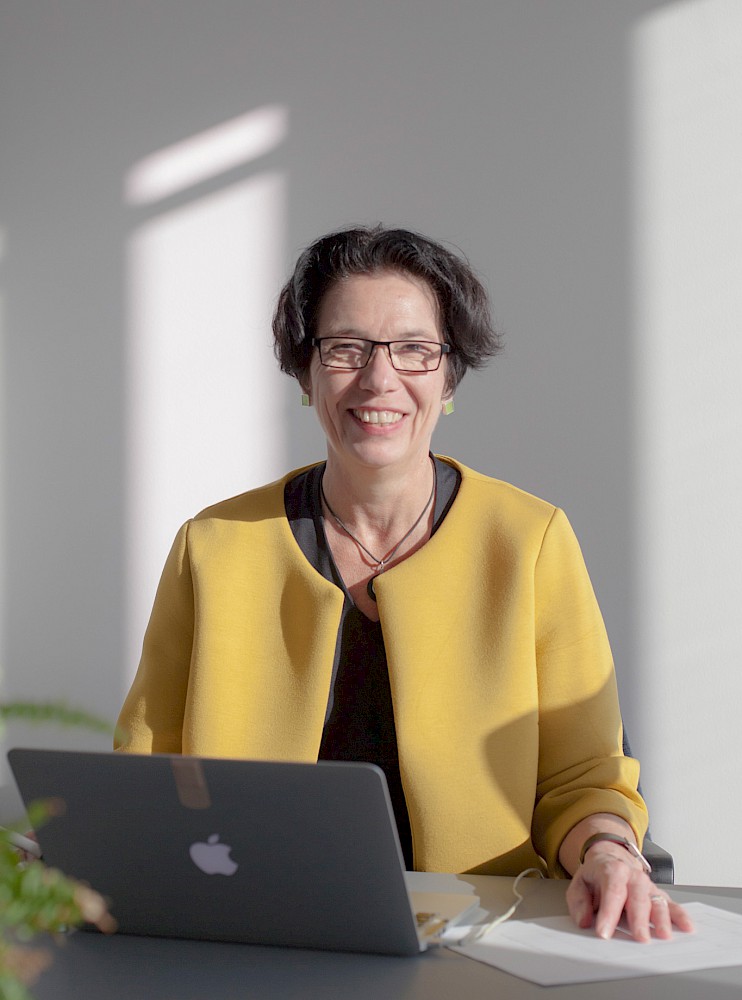
apl. Prof. Dr. Christa Liedtke
Mitglied der Folkwang Universität der Künste
Publikationen
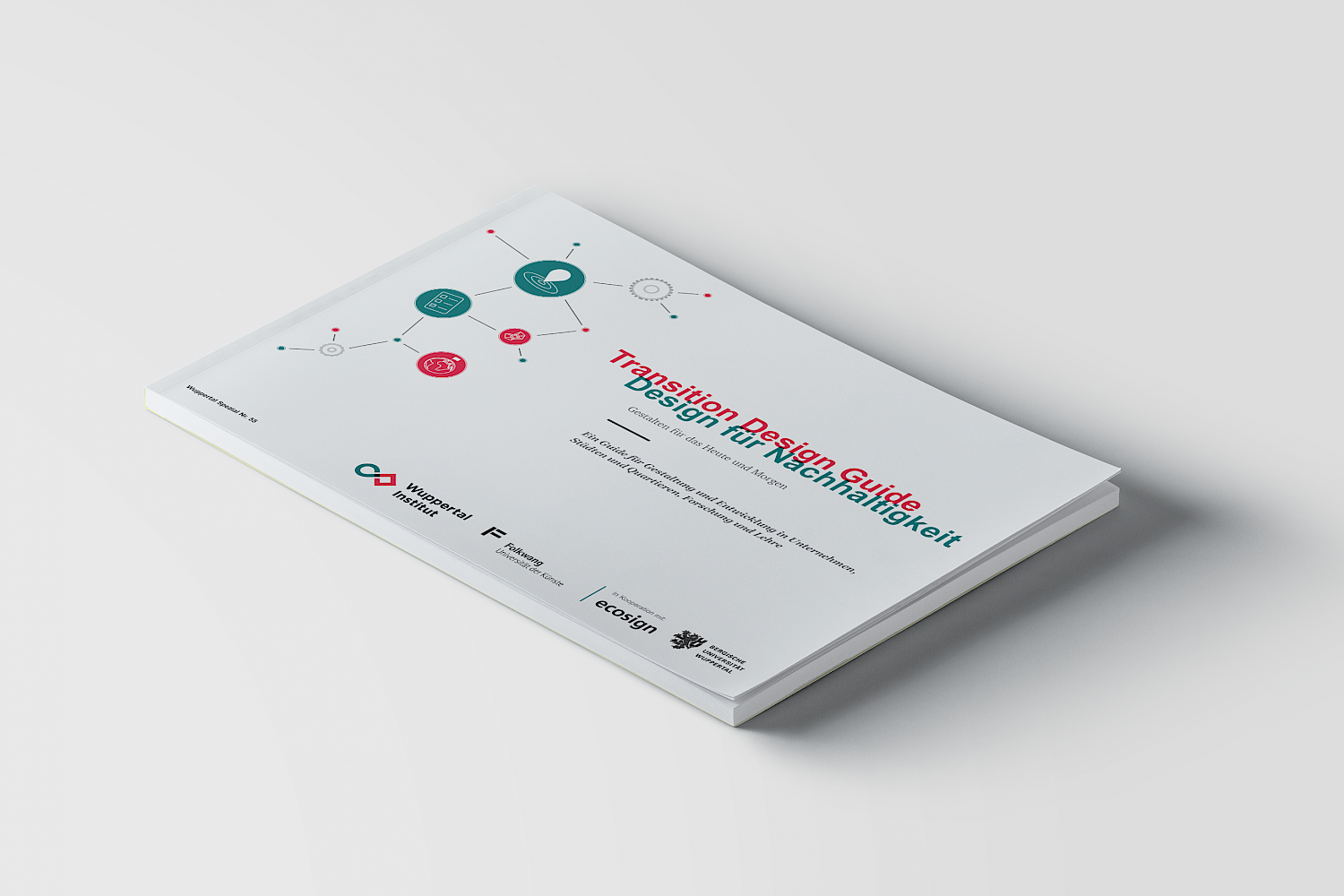
Transition Design Guide
Ein Leitfaden für nachhaltiges Design Transition Design Guide unterstützt Unternehmen, Quartiere und Städte, Forschung und Lehre beim Entwickeln und Gestalten
Forschung
If we want to understand "sustainability as a cultural project" (Schneidewind et al. 2018, p.19ff.), we cannot ignore design! Design as a "culture of knowledge" (Mareis 2011) offers both practical approaches to the concrete design of more sustainable alternatives and strategies and methods for researching sustainability issues. The field of Design for Sustainability & Circularity combines design and sustainability research into a symbiotic field of research. The results of design may be of various kinds, but they always span a network of material and semiotic connections (Latour 2008). In addition to approaches such as the "ecological backpack" (Schmidt-Bleek 1993), questions about the "meaning" (cf. Krippendorff 2012) of products and services must not be ignored in the sustainability analysis of our culture, which is materialized through design. Design is predestined to deal with multidisciplinary "wicked problems" (Rittel 2010 [1973]), to recognize interactions and weigh up unequal factors, to make compromises and, despite ambivalences, to ultimately develop concrete, holistic solutions. And we need scientifically sound, practical solutions—not just theory—if we want to master the ecological and social challenges of climate change. The United Nations' Sustainable Development Goals (SDGs) serve as a framework of values and objectives.
With the field of study Design for Sustainability & Circularity, Folkwang UdK has a thematic focus that opens up a wide range of perspectives, especially for the second and third levels of education.
Sources:
Krippendorff, Klaus & Michel, Ralf (2012): The Semantic Turn: A New Foundation for Design. Basel/Boston/Berlin: Birkhäuser.
Mareis, Claudia (2011): Design as a culture of knowledge: Interferences between design and knowledge discourses since 1960. Bielefeld: Transcript.
Rittel, Horst W. J. (2010 [1973]): Dilemmas in a General Theory of Planning. In: Edelmann, Klaus Thomas/Terstiege, Gerrit: Thinking Design. Fundamental Texts on Design and Architecture. Basel/Boston/Berlin: Birkhäuser.
Schmidt-Bleek, Friedrich (1993): How Much Environment Do People Need? MIPS – The Measure of Ecological Economy. Berlin: Birkhäuser.
Schneidewind, Uwe (2018): The Great Transformation: An Introduction to the Art of Social Change. Frankfurt am Main: Fischer.
Doctoral Candidates
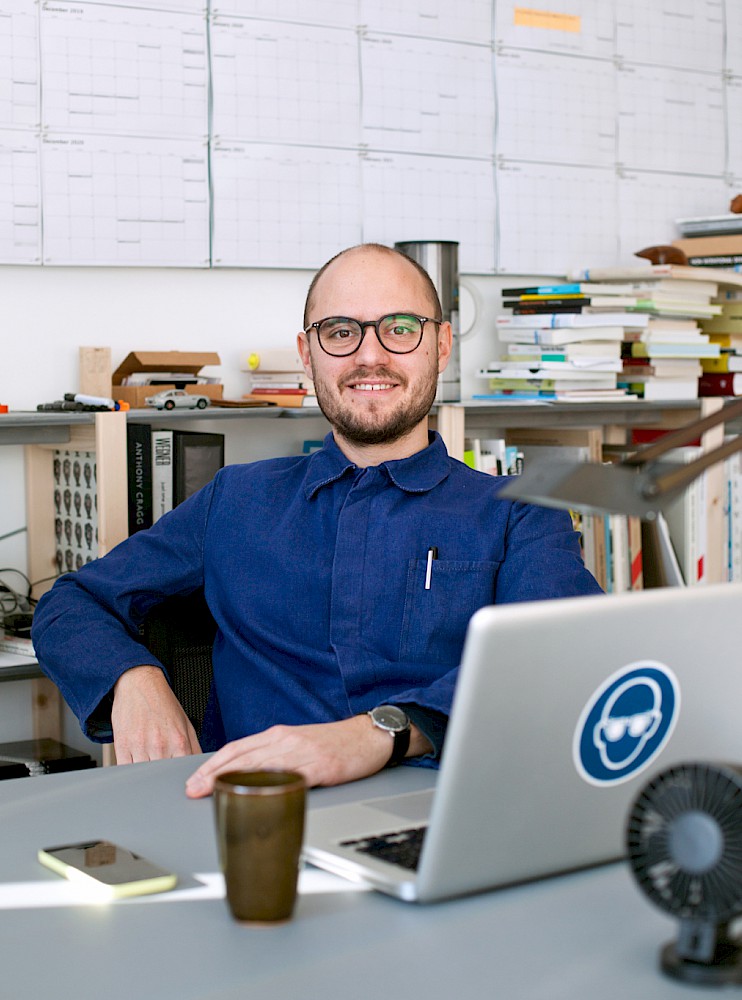
Dustin Jessen
Research Assistant

Venkat Aryan
Doktorand
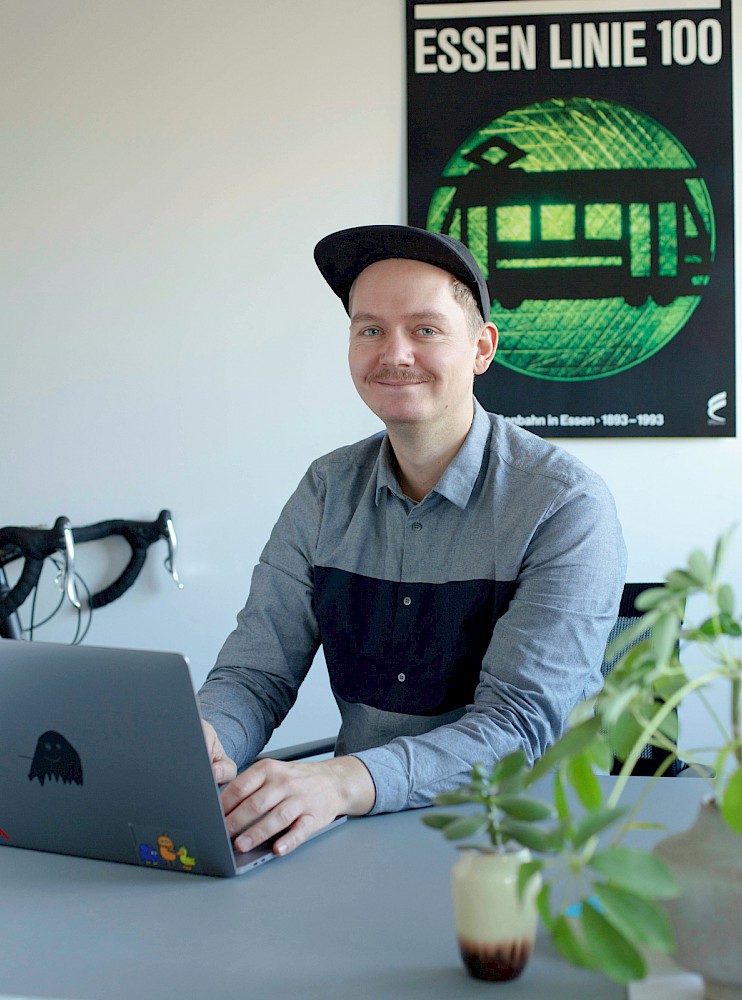
Christoph Tochtrop
Wissenschaftlicher Mitarbeiter (ehemalig)