Die Werkstätten
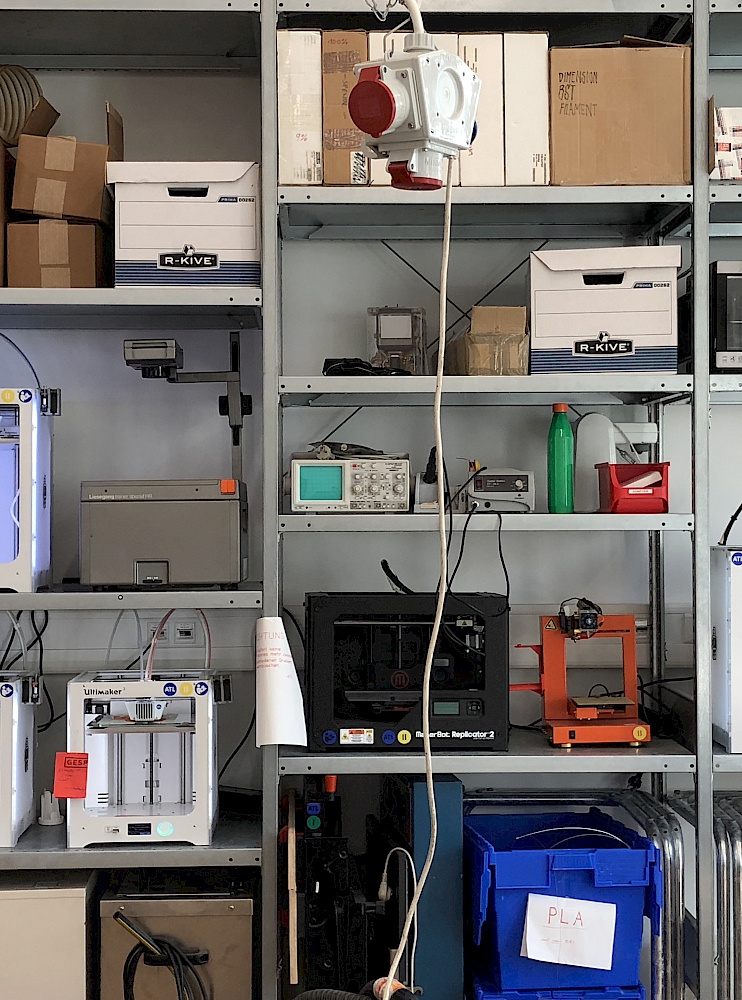
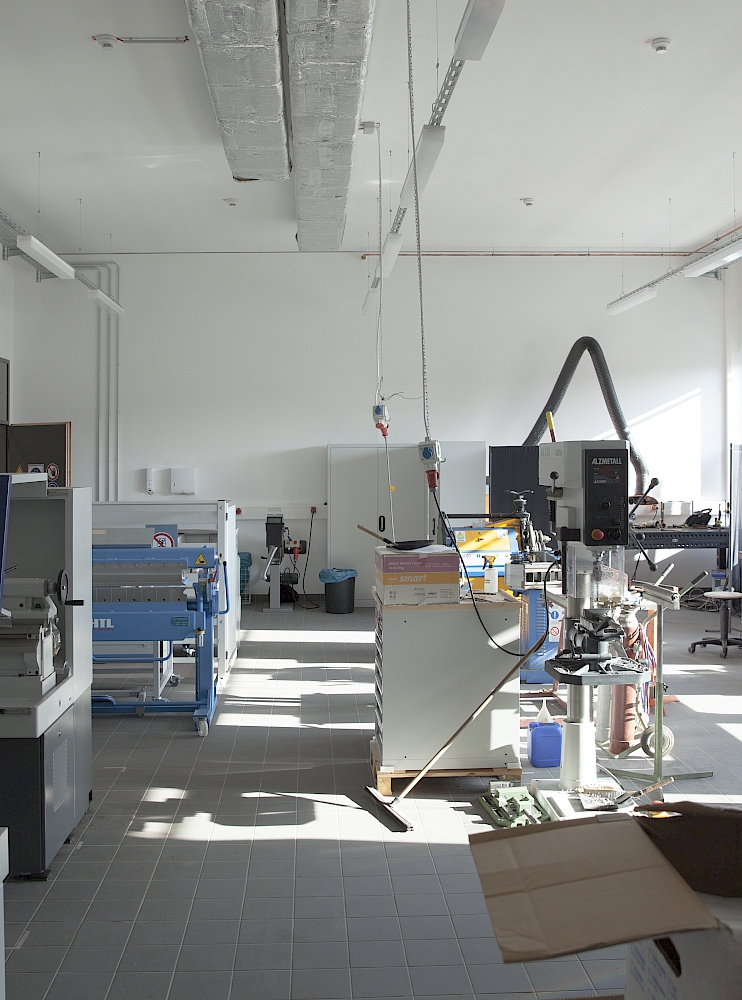
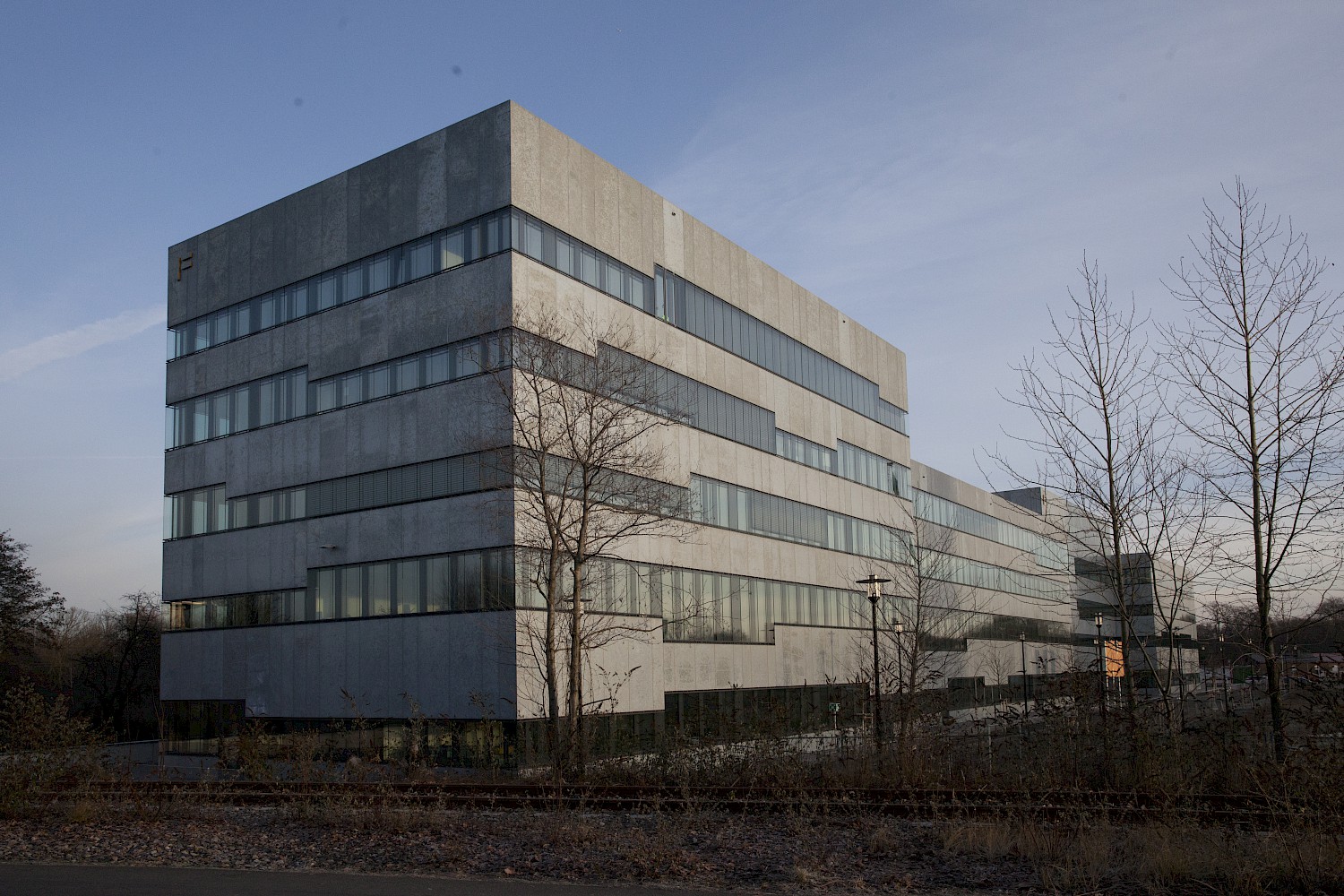
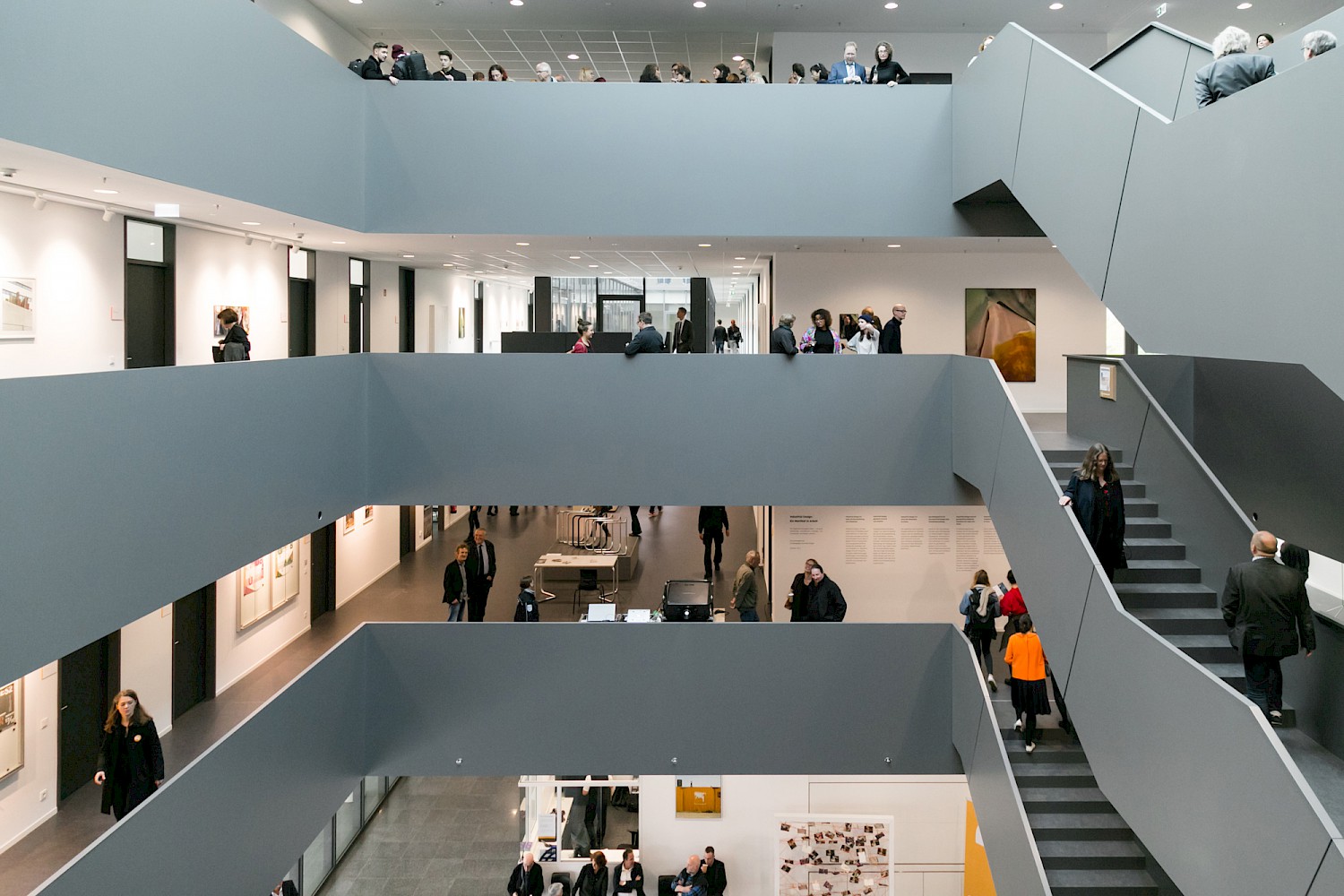
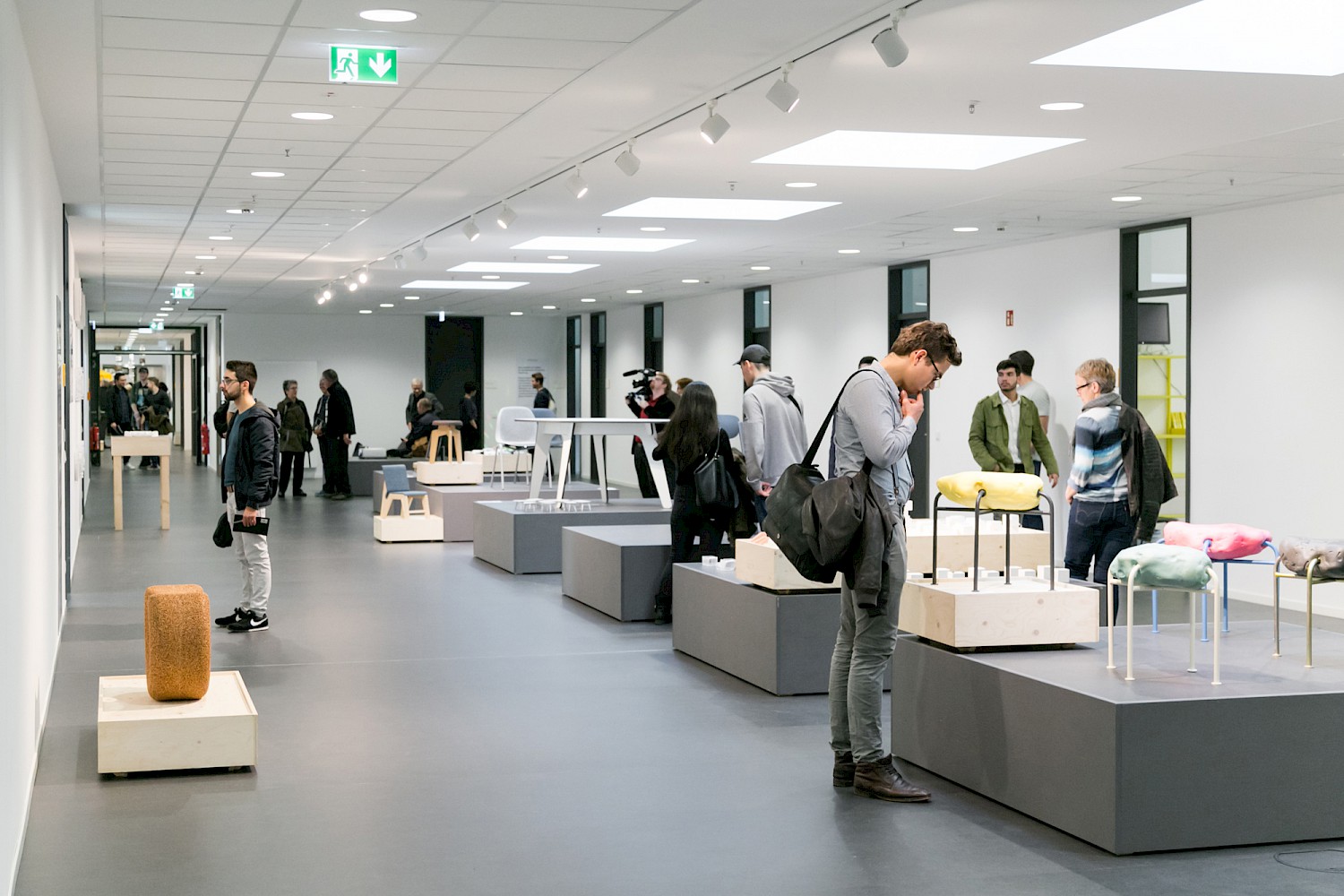
The new building of the Folkwang University of the Arts on the North Campus, which opened in 2017, provides students with excellently equipped studios, laboratories, and workshops. The building's design and spatial layout are largely influenced by the arrangement of the workshops for training future industrial designers, communication designers, and photographers: To the right of the atrium are the workshops for wood, metal, and plastic, as well as the banking rooms; directly opposite the main entrance are the advanced technology laboratories for rapid prototyping, robotics, and various digital 3D output machines; to the left of the entrance are the textile workshop, the electromechanical workshop, the bookbinding workshop, and the printmaking workshops for screen printing, risography, and gravure printing. The upper floors also feature digital workshops for 2D, 3D, and 4D media, as well as a ceramics workshop. Above that is the realm of photography, with labs for analog black-and-white and color photography, digital labs, and spacious daylight and artificial light studios.
At the Folkwang University of the Arts on the North Campus, a workshop concept has been developed for the digital age that enables creative training in the interplay between analog and digital media. It is not only because of tradition that manual, material- and process-based design is highly valued at Folkwang. In the education of "digital natives," the haptic is taking on a new meaning and becoming increasingly important for the development of creative sensitivity. The perception and physical skills of students are increasingly shaped by constant use of mobile devices and communication within social media. Augmented reality and other new media sensations and technologies also create "alternative" truths that require a renewed alignment with the physically perceptible, with the material.
The workshops are places of physical experience and experimentation that connect the intellect with intuition. This stimulates a process that, through creative activity, makes it possible to break away from preconceived images and opinions and arrive at insights that can be experienced by oneself and others. Coupled with scientific reflection and cultural and social questions, this creates a form of knowledge generation that can contribute to the creation of positive, livable models for the future.
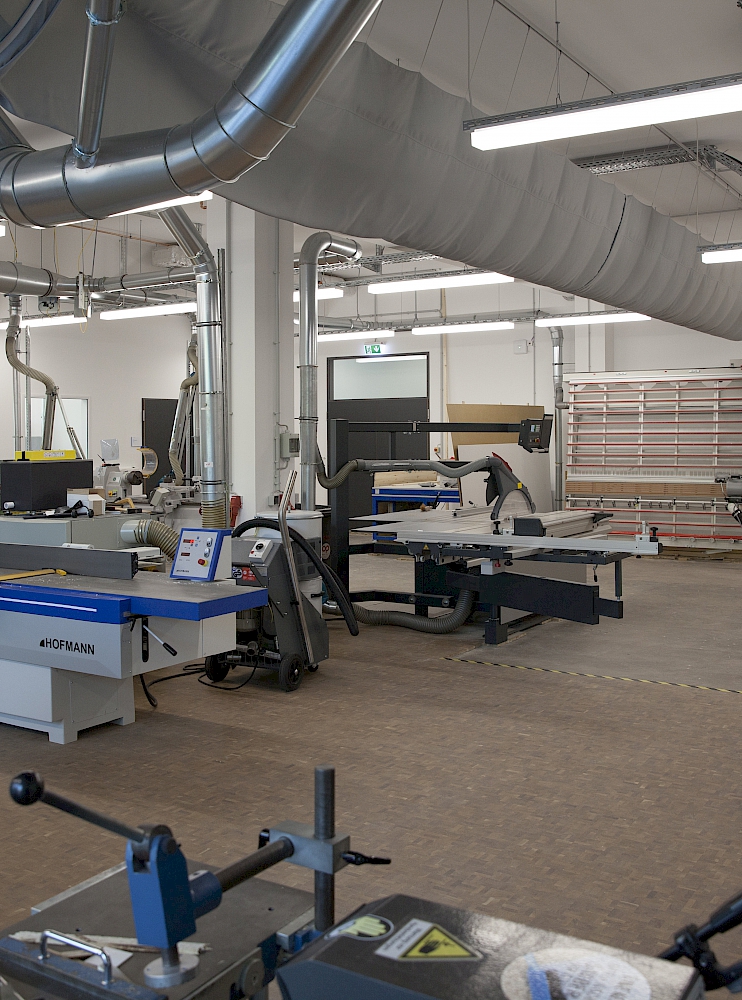
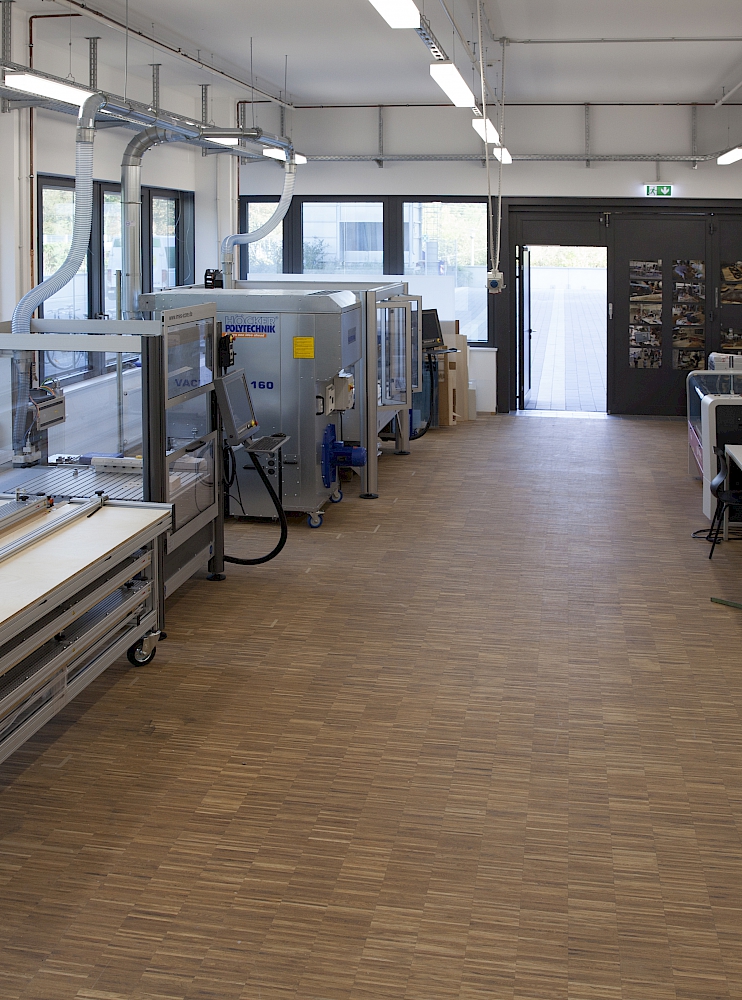
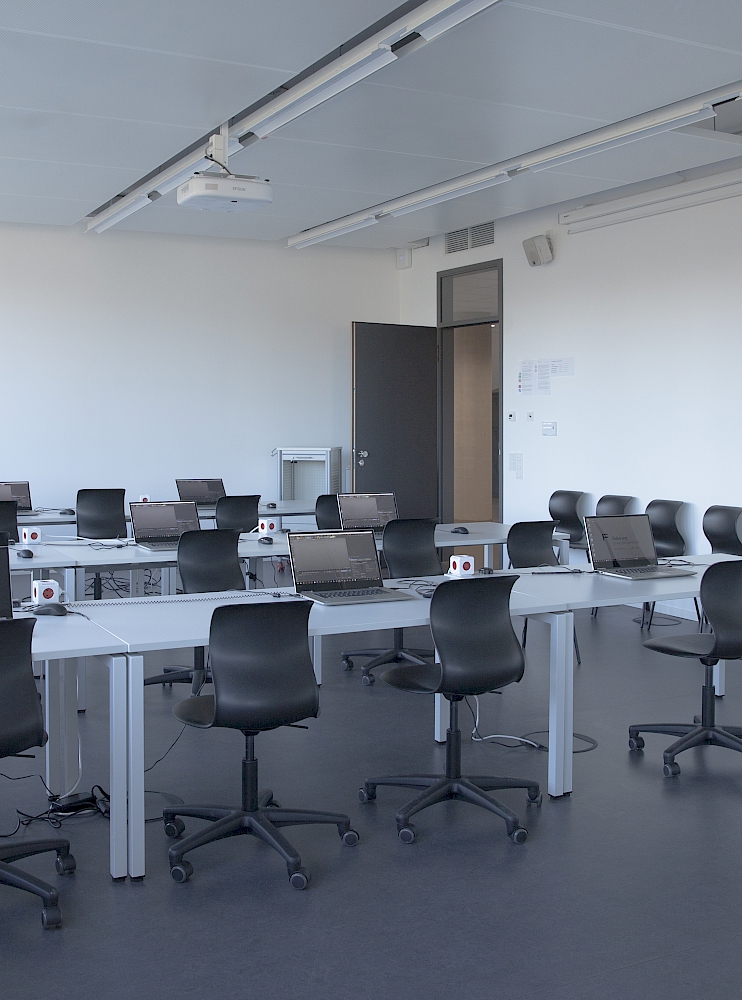
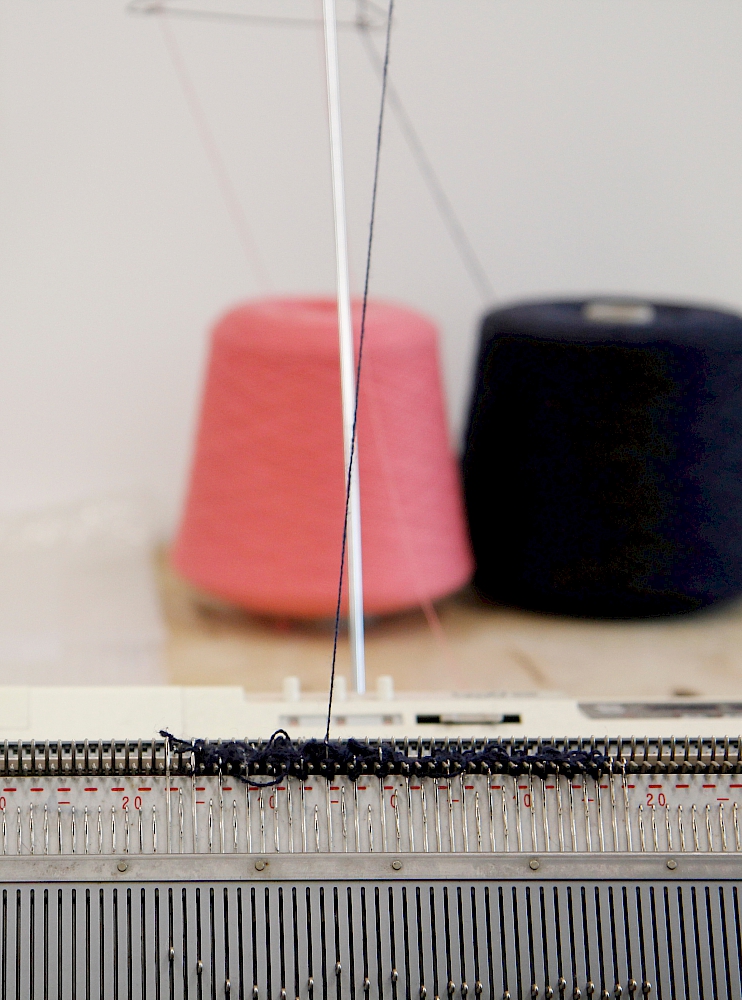
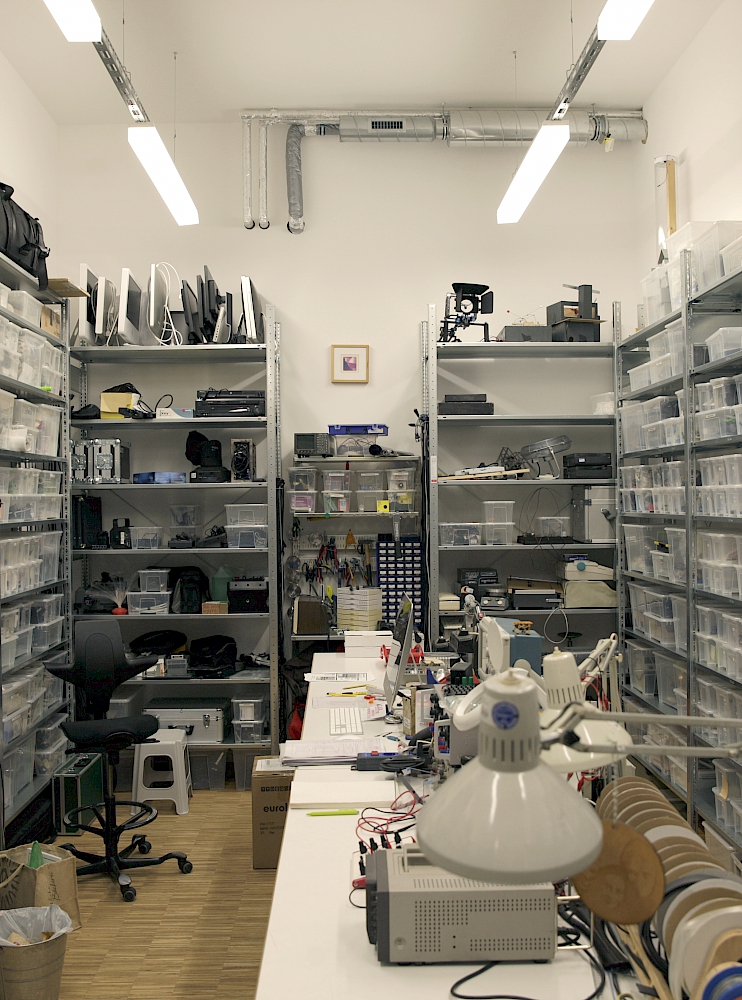
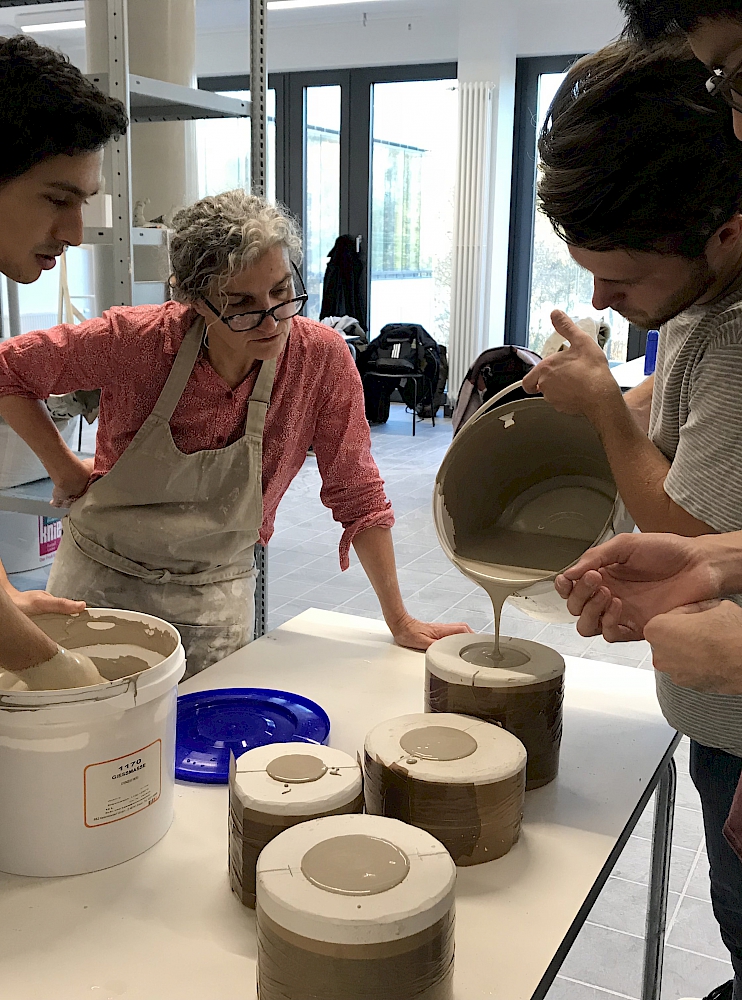
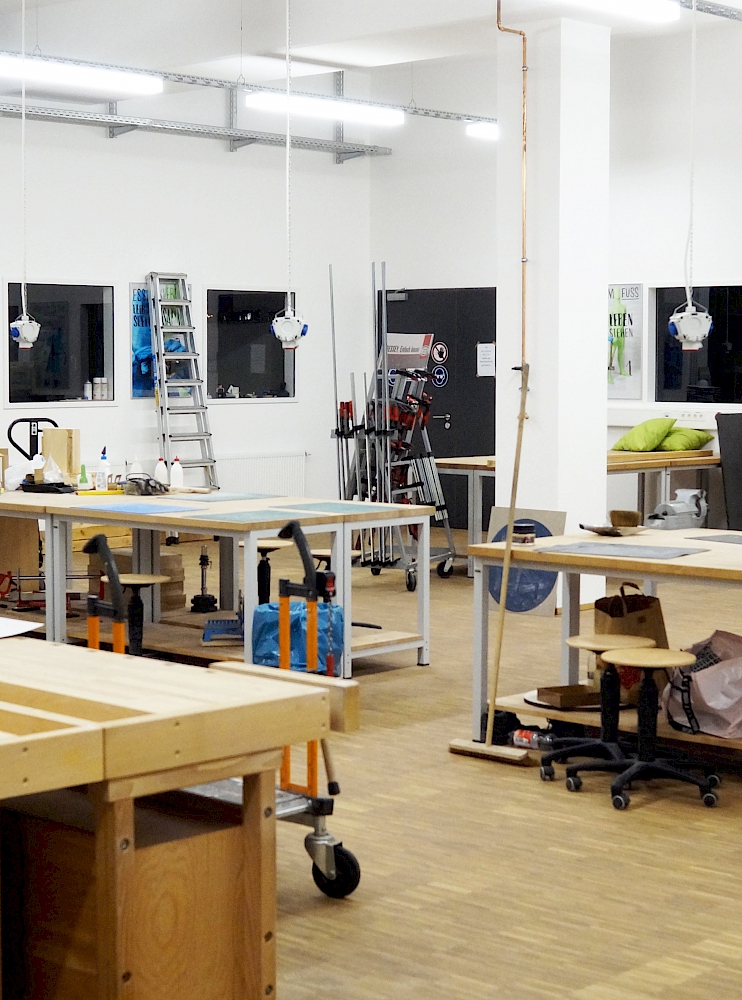
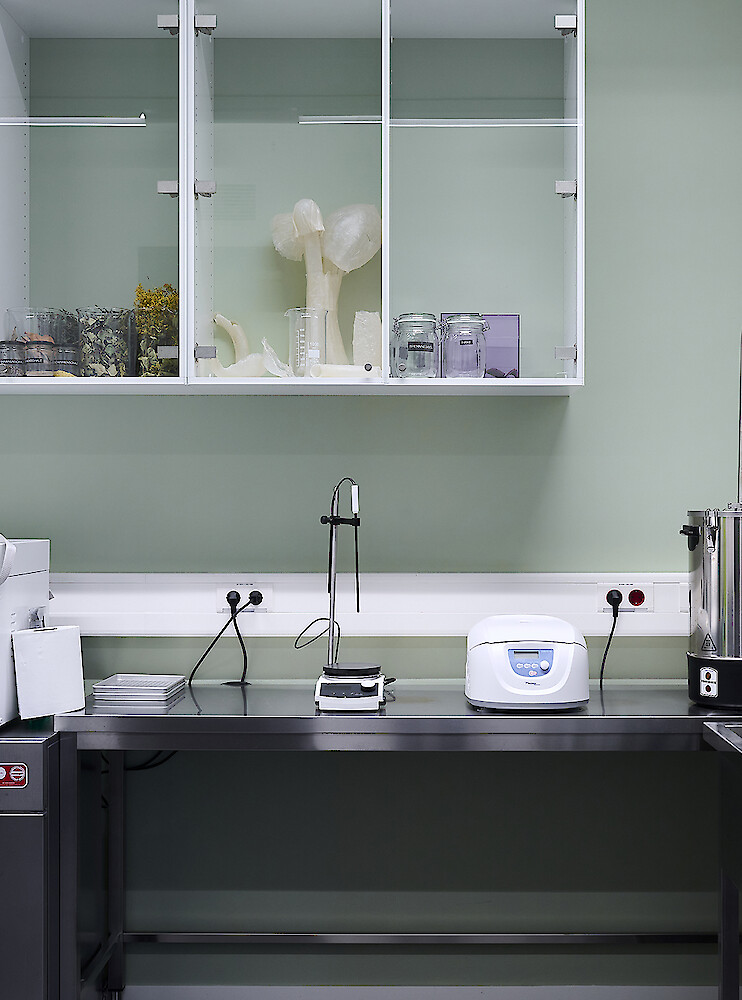
ID students can also use the other workshops in the Design Department:
Bookbinding
Printing Screen printing
Photo labs
Video editing
Media workshop
Moving image workshop
Photo studio Daylight
Magazine / Photo rental
Photo studio Warm light
Quartier Nord + SANAA-Gebäude
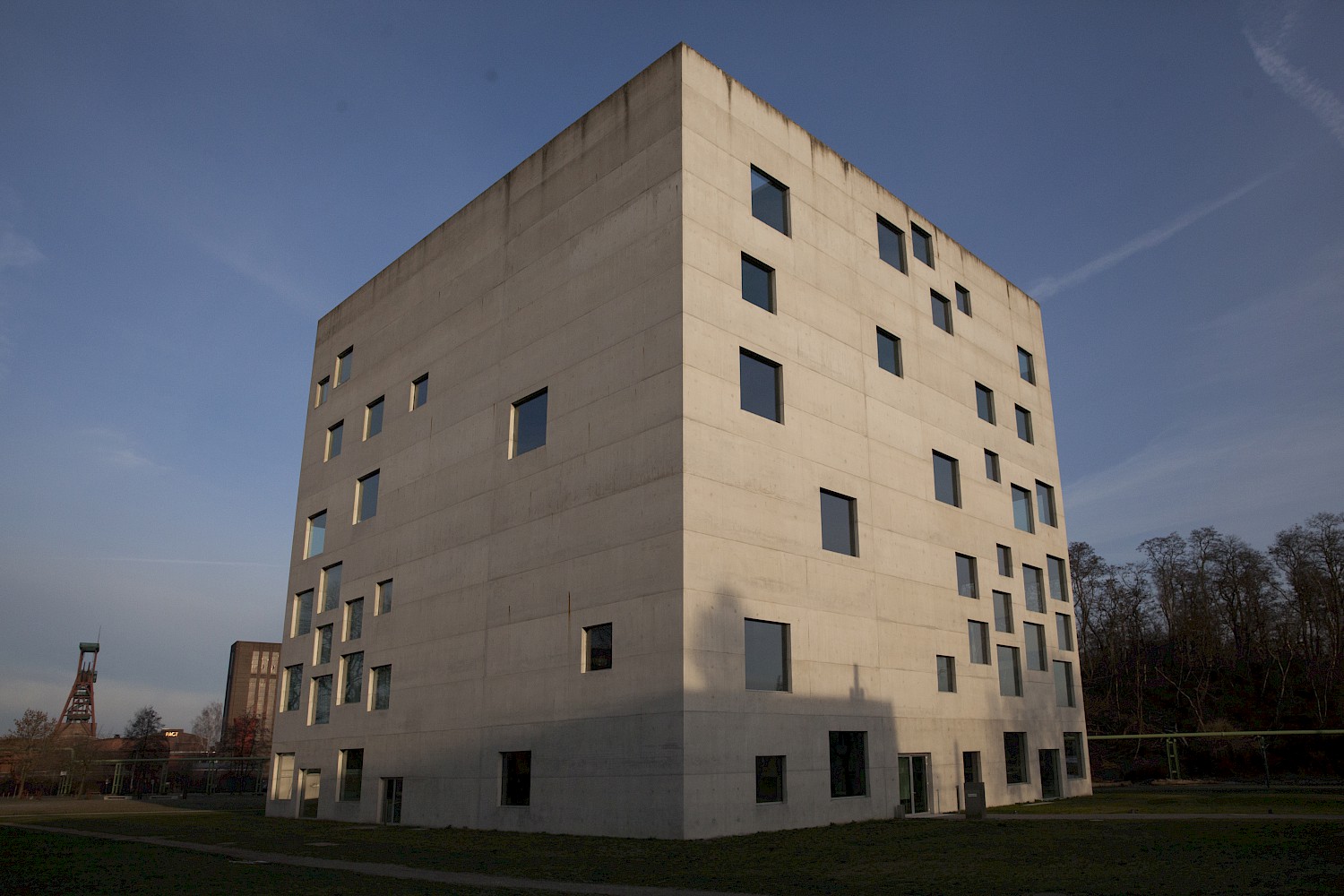
The buildings of the Design Department: North Quarter + SANAA Building
The North Quarter of the Folkwang University of the Arts on the Zollverein World Heritage Site campus offers ideal conditions for studying industrial design (bachelor's and master's degrees) in two outstanding buildings that are icons of industrial culture and contemporary architectural gems of the design city.
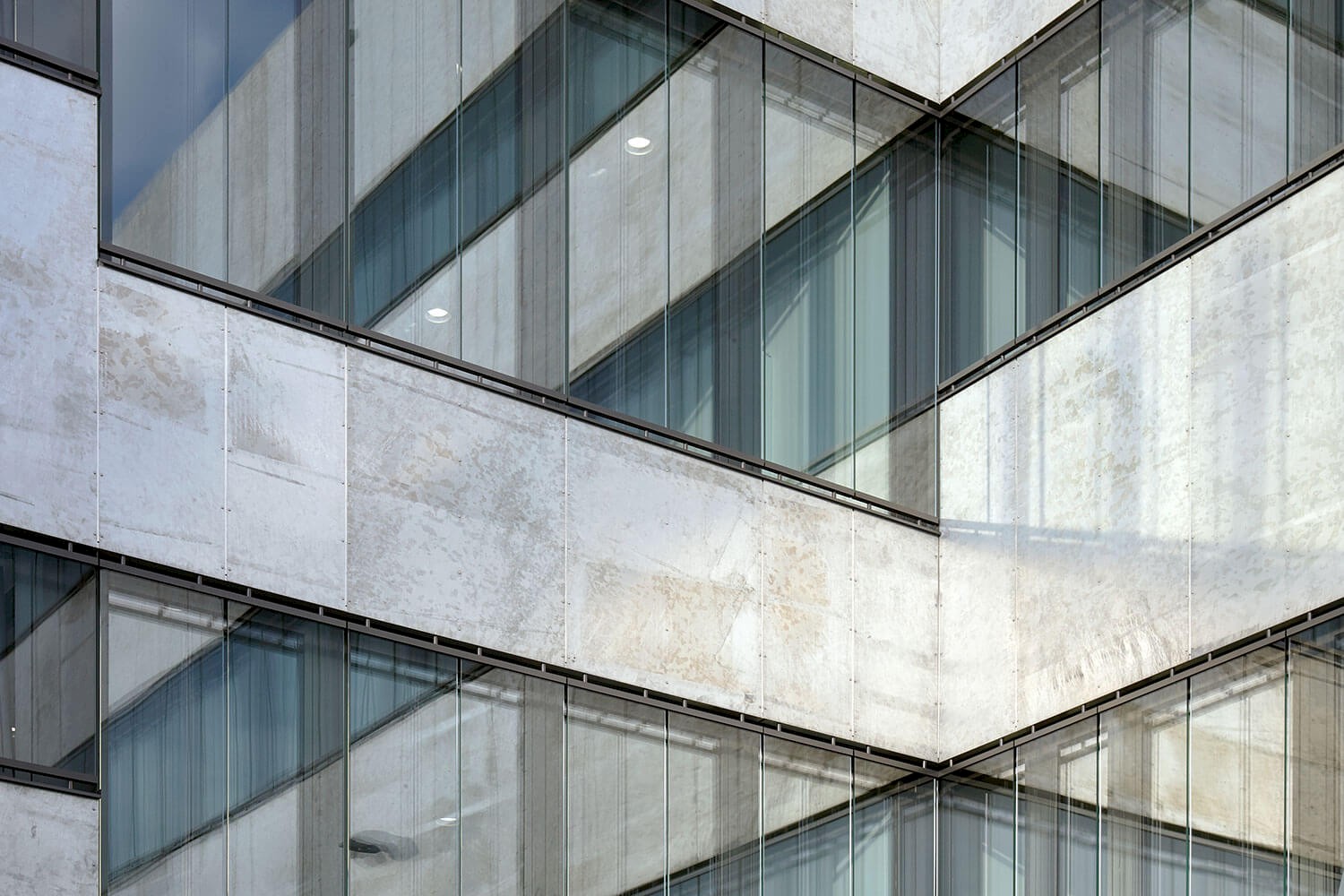
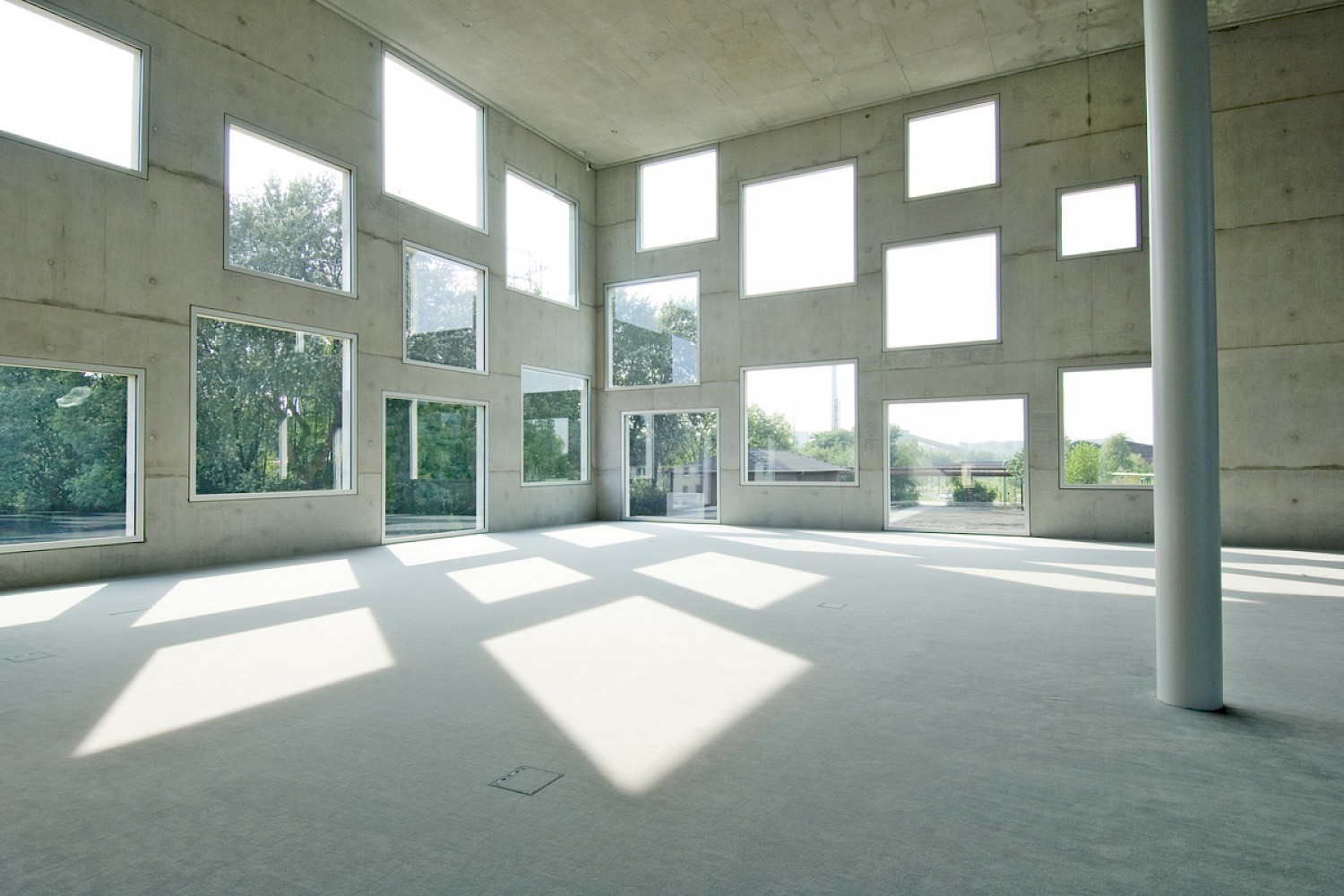
The Design Department, with its study programs in photography, industrial design, communication design, and art and design studies, is located in the 19,000-square-meter new building of the Folkwang University of the Arts, "Quartier Nord," and in the iconic SANAA building by Pritzker Prize winners Kazuyo Sejima and Ryue Nishizawa on the historic grounds of the Zollverein Coal Mine Industrial Complex. Opened in 2017, the new building here, on the second Folkwang Campus in Essen next to the headquarters in Essen-Werden, houses excellently equipped workshops, student studios, laboratories, seminar rooms, and offices. The SANAA building is also used for teaching, events, exhibitions, and as a student work zone.
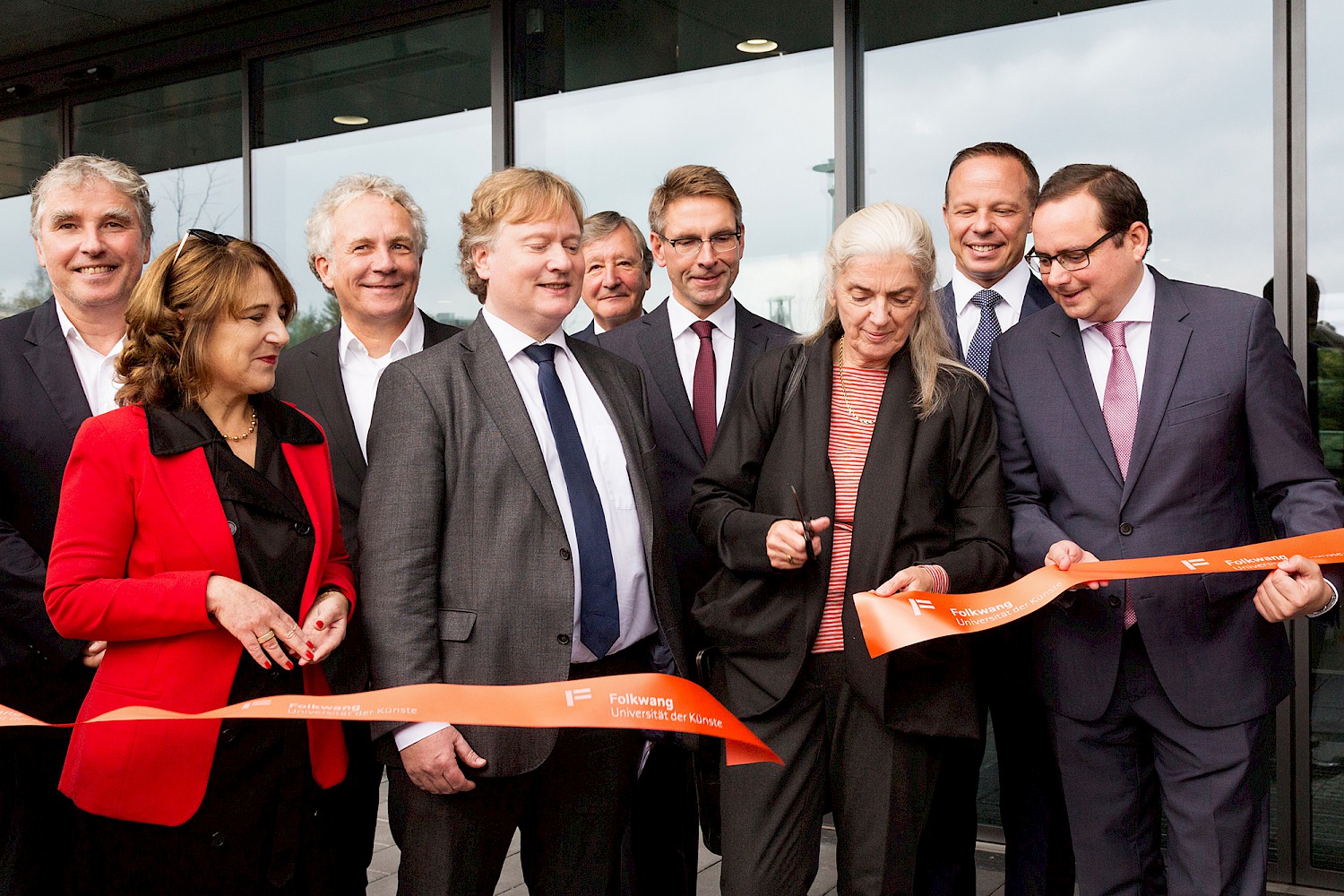
"The new Zollverein World Heritage Campus of the Folkwang University of the Arts offers a unique opportunity to visibly locate artistic excellence and interdisciplinarity with social responsibility. We have stood for this in terms of content for 90 years, and from 2017 onwards we will also be visible in terms of space: The Zollverein World Heritage Site, the adjacent neighborhoods, and our new building will be a laboratory for artistic, transdisciplinary, and scientific experiments at the Folkwang University of the Arts," said Prof. Dr. Andreas Jacob, Rector of the Folkwang University of the Arts, at the opening of the Zollverein / Quartier Nord campus in October 2017.
UNESCO Welterbe Zollverein
The Folkwang University of the Arts at the heart of industrial culture
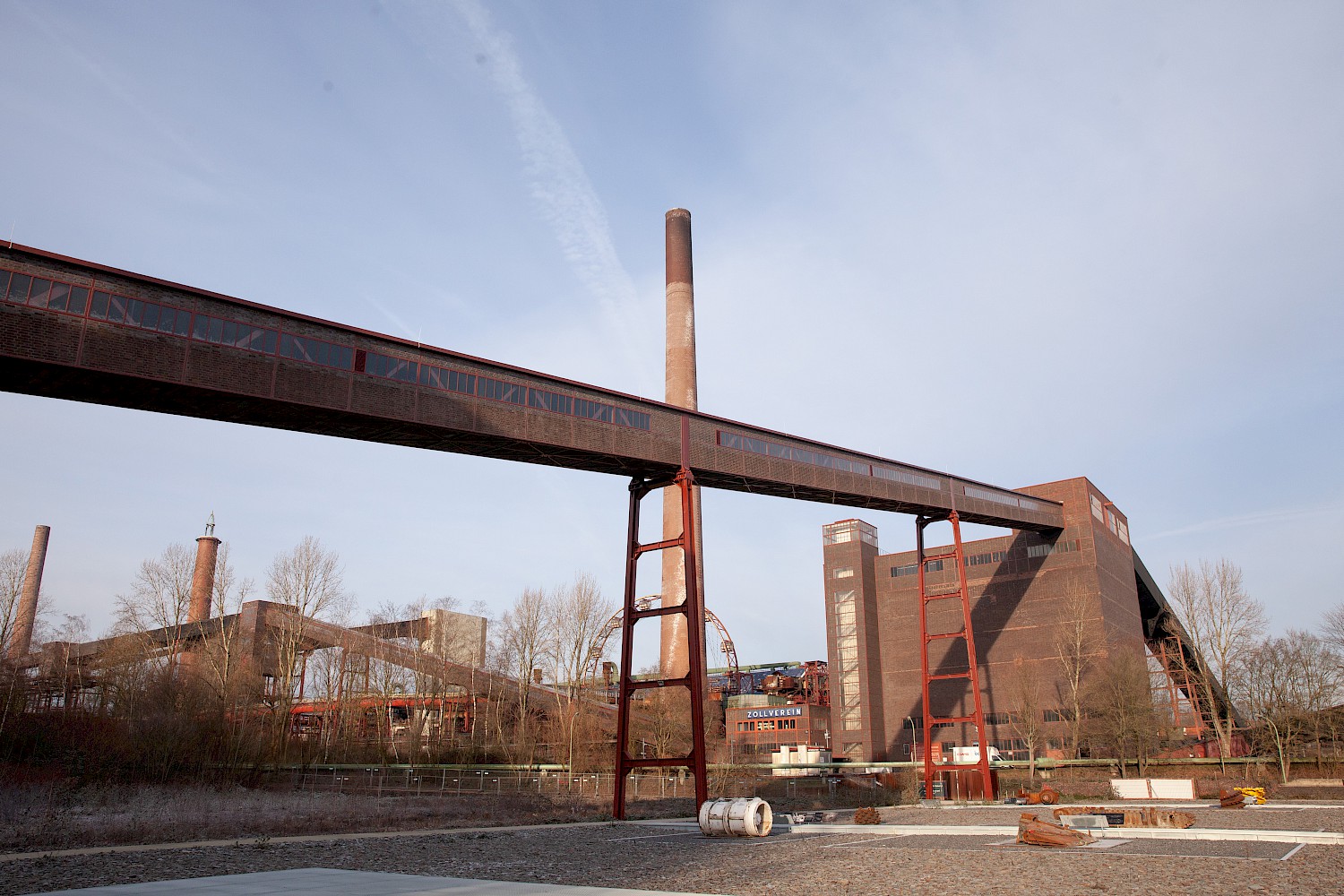
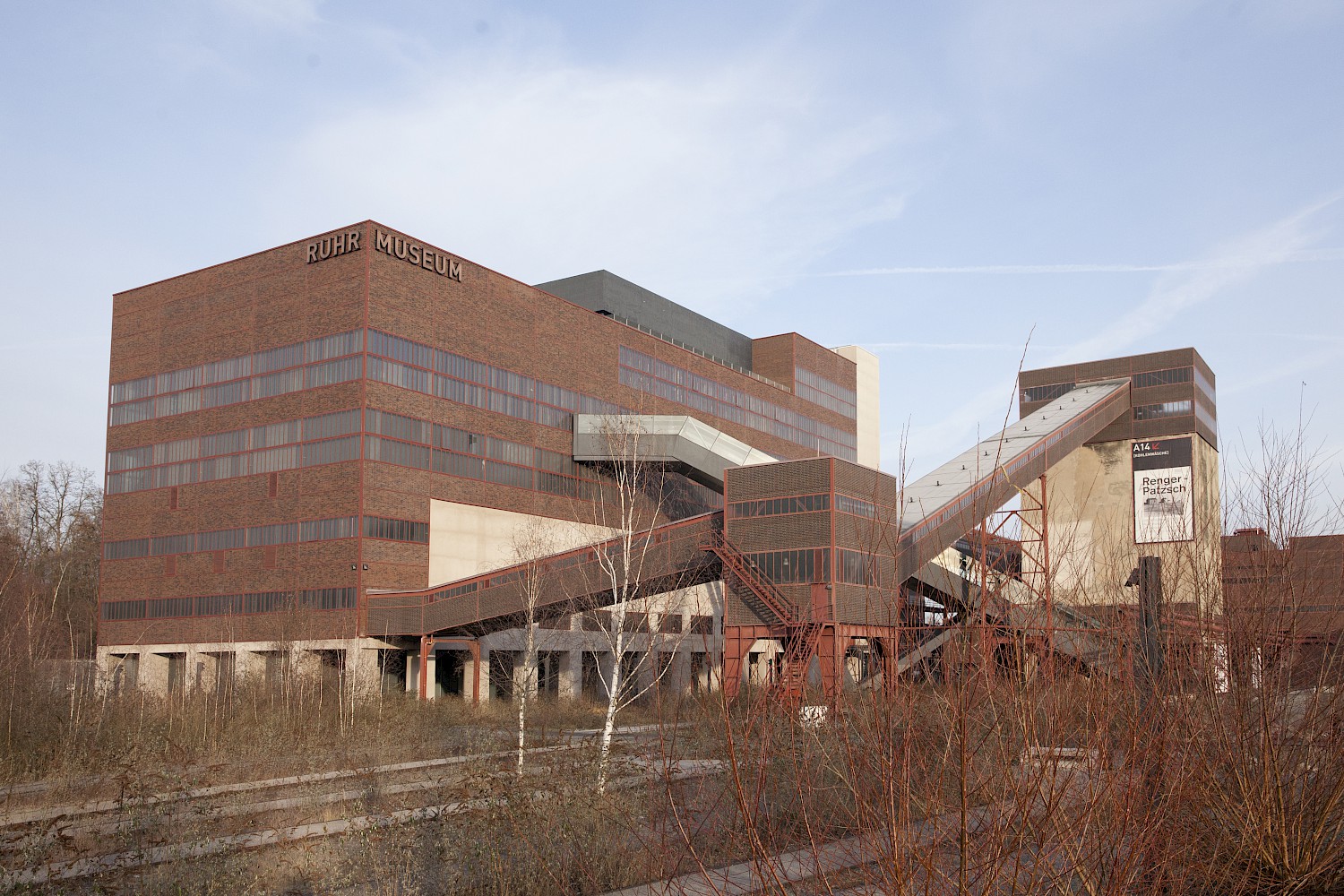
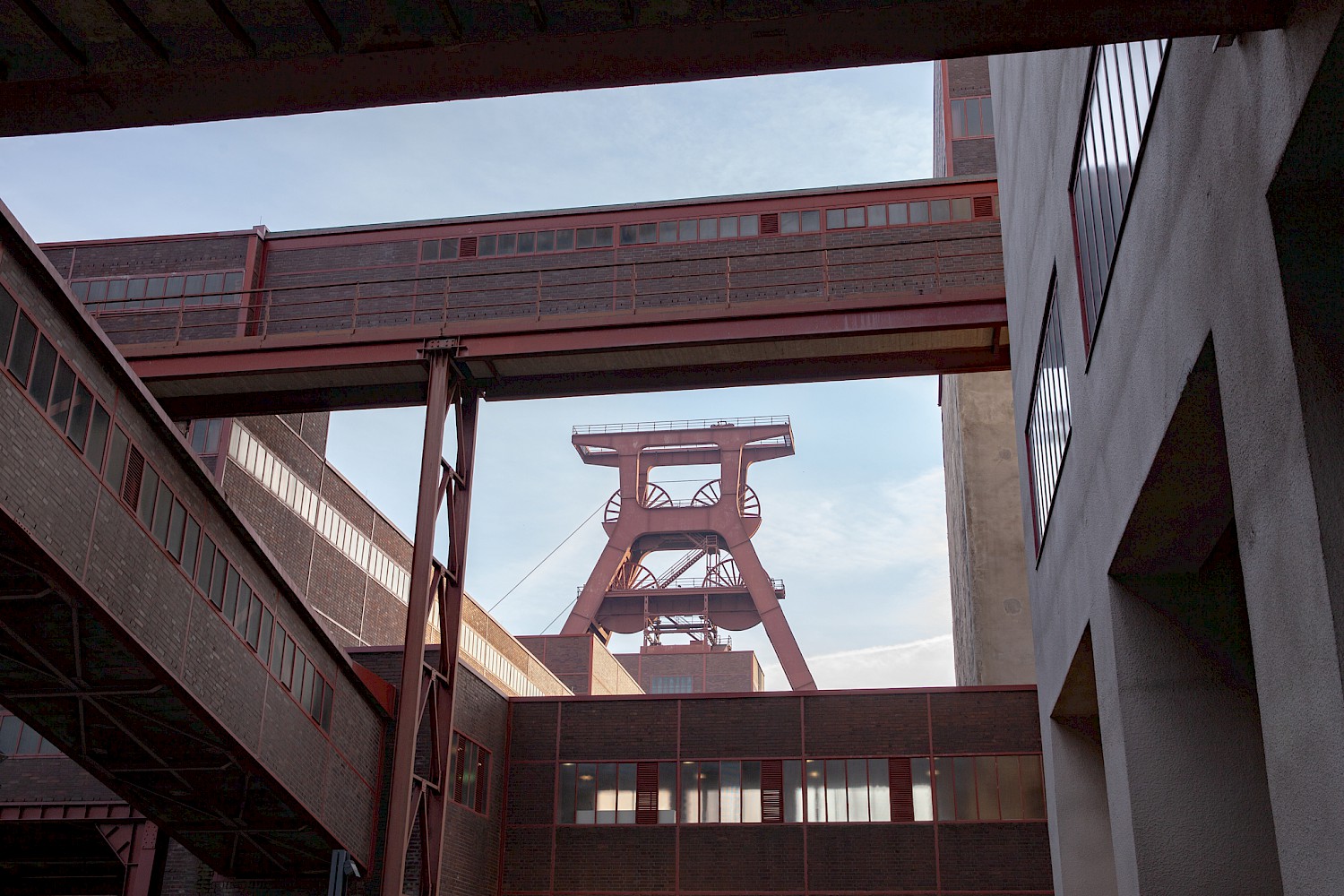
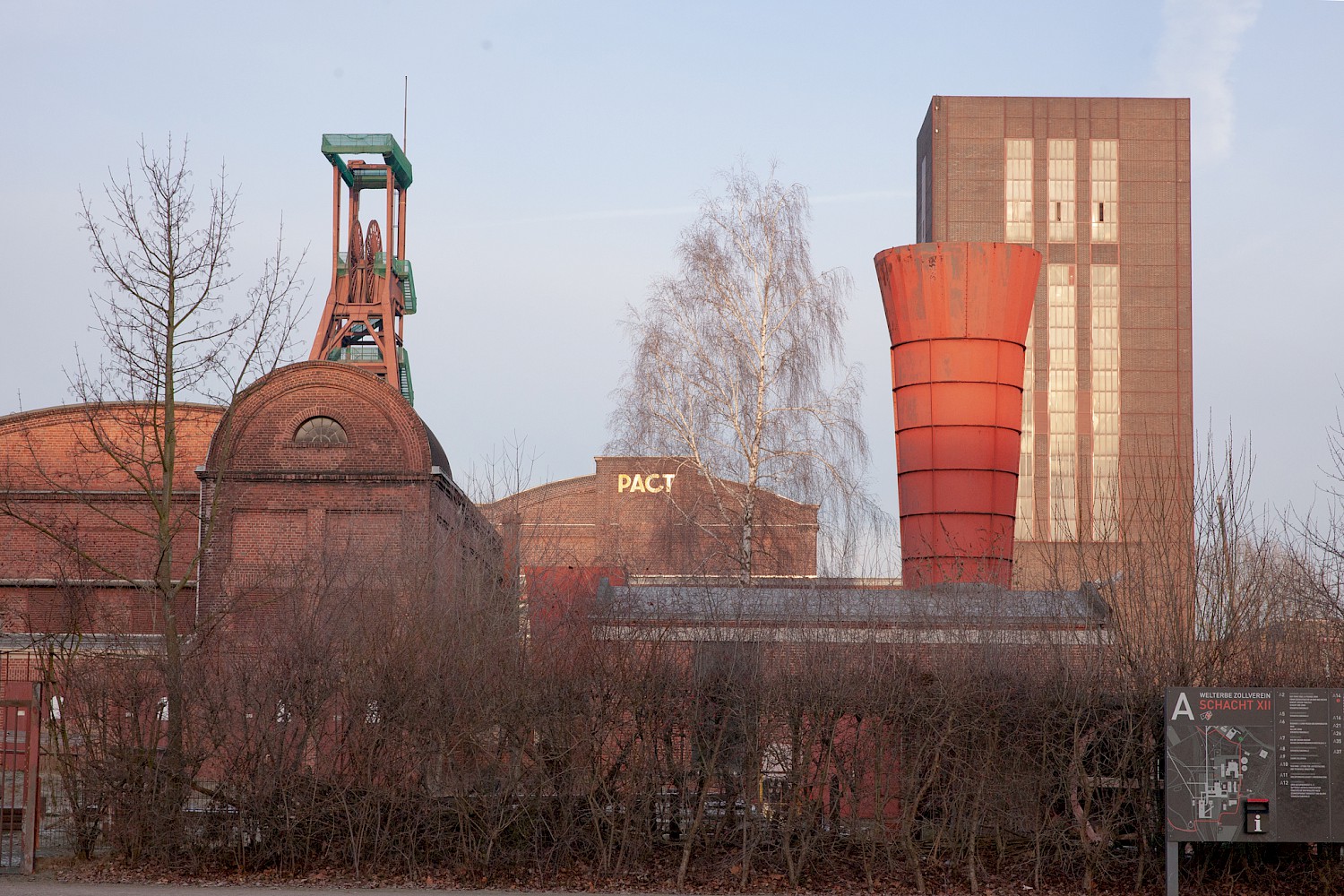
Active as a coal mine until 1986, a UNESCO World Heritage Site since 2001, and now one of Germany's most important architectural and industrial monuments: the Zollverein Coal Mine Industrial Complex provides an impressive setting for studying design at the Folkwang University of the Arts. In the vicinity of repurposed icons of industrial culture such as the former boiler house (converted into the Red Dot Design Museum by the architectural firm Foster & Partners) and the Ruhr Museum in the former coal washing plant, which was converted by the OMA/Böll consortium, two impressive new buildings for teaching were constructed: the cube-shaped SANAA building and the new Quartier Nord building for the Design Department, which opened in 2017.
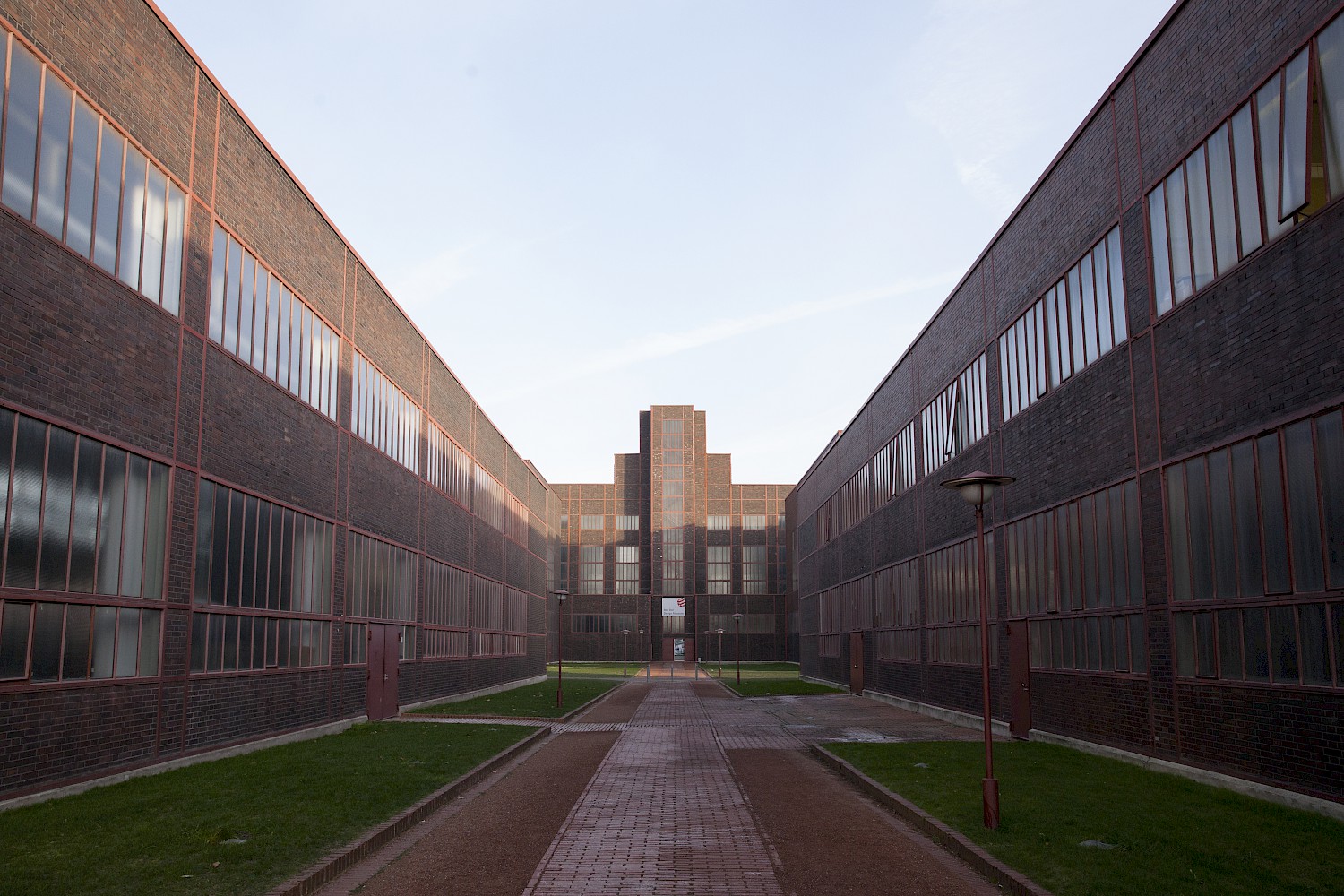
The Zollverein Coal Mine Industrial Complex was awarded UNESCO World Heritage status for its unique industrial architecture. For Zollverein architects Fritz Schupp (1896-1974) and Martin Kremmer (1895-1945), monumentality and functionality were not mutually exclusive. The courtyard of their shaft facility, which opened in 1932, is lined with strictly geometric and cleverly staggered brick buildings of monumental size. The architects set order, clarity, discipline, and flexibility as their standards: the central conveyor system followed the principles of the New Objectivity school and, upon completion, was celebrated as an architectural and technical masterpiece, the most modern coal mine of its time. The double-frame conveyor system of Shaft 12, now the hallmark of the Zollverein Coal Mine Industrial Complex, became the model for many subsequent central conveyor systems.
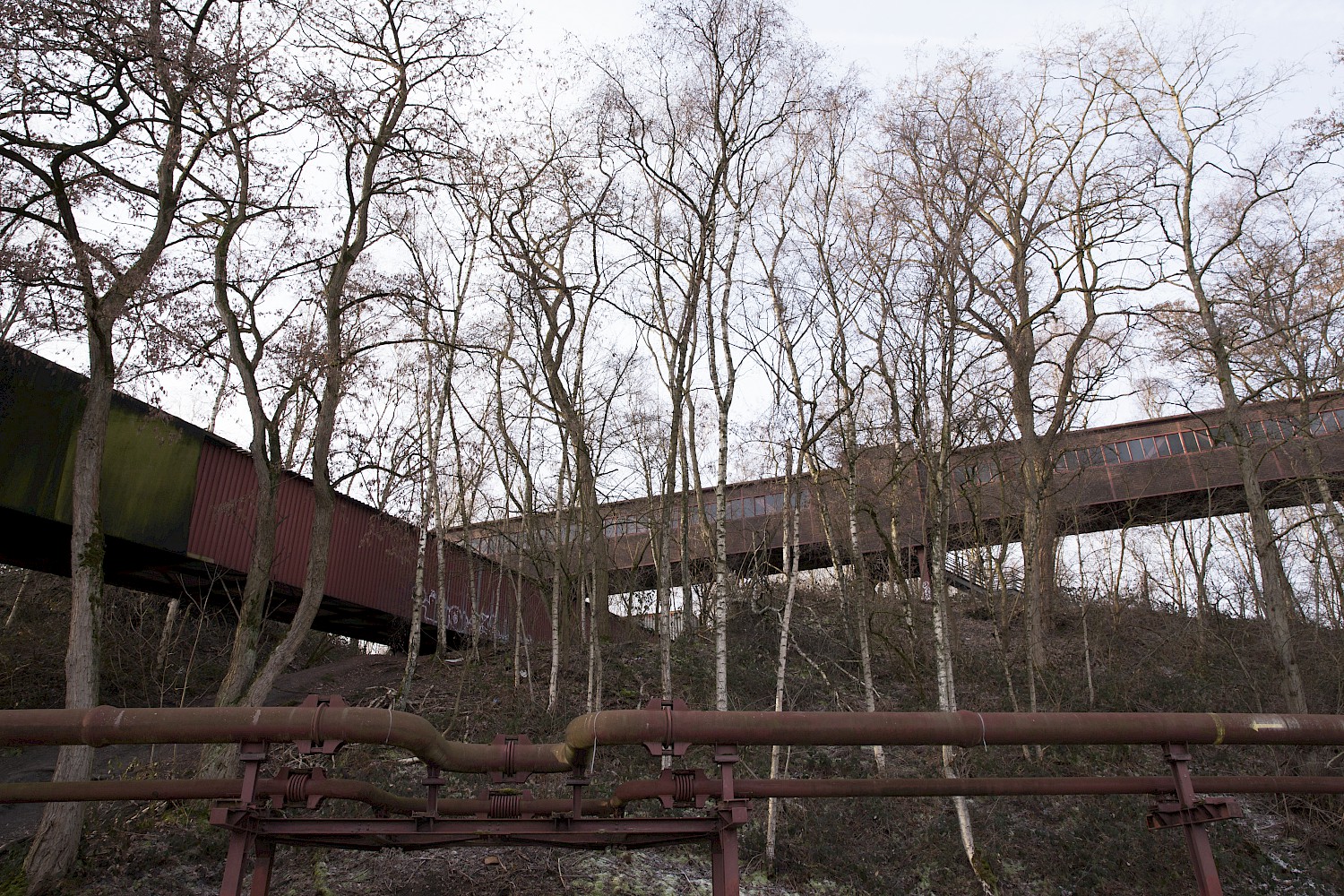
After the last hoisting systems at Zollverein were shut down in 1986, the remaining surface facilities of Shaft 12, Shaft 1/2/8, Shaft 4/5/11, and Shaft 3/7/10 were preserved for new uses and as industrial monuments. The designation as a UNESCO World Heritage Site marked the beginning of further expansion of the site. The Rotterdam-based OMA Office for Metropolitan Architecture developed the master plan for its transformation into a vibrant cultural and economic location.